
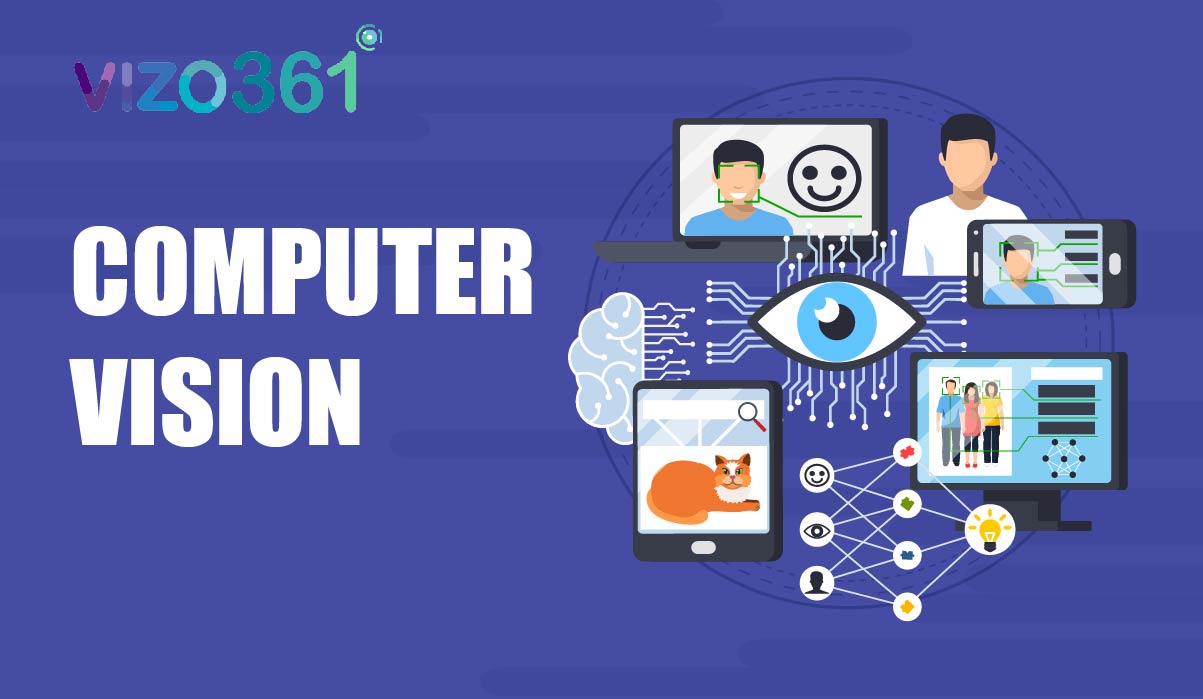
Artificial Intelligence (AI) has rapidly emerged in recent years, and at the front of this change is computer vision. A field that allows different machines to evaluate visual information from the world. Vizo361° AI computer vision applications are changing sectors all across the world, from retail store, manufacturing, education and Enterprises issues to making processes more efficient and customizing shopping experiences.
What is the meaning of computer vision?
Computer vision is a part of AI that allows computers to look at and analyse pictures and videos in ways that are similar to how people do it. Computer vision systems may find similar behaviours, identify objects, and even make decisions based on visual data by using machine learning and deep learning models.
Computer vision systems “learn” from big datasets, which makes them more suitable over time. This is different from traditional programming, where you give them clear instructions. This skill lets companies in all fields automate difficult tasks, boost efficiency, and find new business prospects.
Uses of Computer Vision in Healthcare
Healthcare is one of the best places for computer vision to be used. The capability to analyze medical images, solving problems, and help with diagnoses is totally different now the way patients are cared for.
Computer vision can look for diseases like cancer, pneumonia, or retinal abnormalities before time and more precisely than other methods. AI-driven imaging tools help radiologists make fewer mistakes when diagnosing patients.
Real time image recognition is used by smart surgical systems to help surgeons perform minimally invasive surgeries. Vision-based systems for remote patient monitoring keep an eye on patients’ activities, like spotting falls in older people or looking at rehabilitation exercises.
Drug Research: Computer vision makes it easier to look at molecular structures and find prospective drug possibilities.
Computer vision applications are becoming more common in healthcare, education, manufacturing and more. They not only make things more accurate, but they also assist in solving the problem of not having enough medical professionals by automating tasks that take a lot of time.
Computer Vision Applications in Manufacturing
The manufacturing industry has adopted computer vision to boost efficiency, cut down on mistakes, and make sure that industrial settings are safe.
1. Predictive Maintenance:
Vision-enabled monitoring systems can observe the condition of machines and/or equipment in real-time
-
Worker Safety:
Computer vision makes the production floor safer by spotting harmful actions or dangerous situations. Some examples are noticing when a worker goes into a prohibited area, doesn’t wear protective gear, or is about to hit a piece of machinery. Real-time alerts can be set up to stop mishaps.
3. Robotics Integration:
As competition grows around the world, computer vision applications in manufacturing are needed to make things more efficient, lower prices, and encourage new ideas in Industry 4.0.
Computer vision in stores
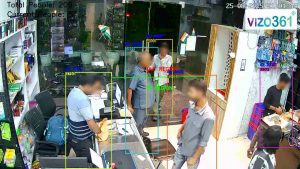
Retailers are adopting Vizo361° computer vision application technology to improve the shopping experience for their customers and improve retail operations. The integration of AI insights and real-time data can help businesses grow and understand more about their customers’ behaviour.
Automated Checkout: Retail stores like Amazon Go which don’t allow their cashiers let customers shop and leave without having to wait in line.
Loss Prevention: Computer vision keeps stores safer by finding theft and other dishonest actions.
As rivalry intensifies, computer vision technologies in retail assist companies give customers smooth experiences and make their operations run more smoothly.
Computer Vision’s Problems and Future
There are many chances for computer vision to grow, but there are also problems including privacy concerns, algorithm bias, and high costs of implementation. Businesses and authorities both still believe that having to be sure that visual data is being used ethically is important.
For later practices, combining computer vision with other new technologies the Internet of Things (IoT) will make it even more effective. For example, self-driving cars that can “see” and “understand” could change the way we build cities, manage disasters, and run logistics.
Conclusion
The rise of Vizo361° AI computer vision apps is more than simply a tech trend; it’s a huge shift in how companies do business. Face Recognition Computer vision is making the real world and the digital world more alike. For instance, it is helping healthcare workers give better care to patients, industrial organizations make their supply networks more efficient, and merchants give customers more tailored experiences.
Companies who invest in computer vision will not only have an edge over their rivals, but they will also help shape the future of AI-driven innovation as more people utilize it.