The shift in security has been tremendous; It is no longer a matter of grainy videos and locked servers. Nowadays, all types of businesses re-evaluate their ways of monitoring people, places, and operations with cloud-enabled CCTV cameras as the main tool. Cloud storage for modern security cameras eliminates hardware-dependent surveillance systems from the past and allows for flexible, intelligent, and scalable video security that can be accessed anywhere.
Cloud-based security cameras offer companies the chance to watch places from afar, do away with large on-site servers, and reveal AI-powered insights that surpass the limits of conventional monitoring utterly. Throughout this guide, we will elaborate on the weaknesses of the older systems, clarify the working of the camera systems through the cloud, compare the most significant platforms—including enterprise solutions such as Proeffico Solutions’ Vizo361°—and help you figure out how to select the right option for your company.
How Traditional Security Camera Systems Miss the Mark
The traditional CCTV systems—analog cameras, DVRs, and NVRs—were mainly made for after-the-fact investigations. They still have the ability to deter crime, but in the case of modern fast and continuously changing multi-location business settings, they will soon become useless.
The companies with the on-premises systems can only use the proprietary hardware. They need to lay out complicated wiring, and they have to rely on local storage devices that can be easily stolen, damaged, or fail. Scaling means buying new recorders and servers, and remote access often means employing VPNs and IT personnel who work exclusively with you. The most significant drawback of these systems is that they do not provide any intelligence, other than raw footage.
As organizations require security that can predict proactive moves, operational visibility, and workflow automation, traditional CCTV killers have been a bottleneck not an enabler.
Why Cloud-Based Security Cameras Are Transforming Surveillance
As per the Bureau of Labor Statistics, the physical security sector is on an upward trend and continues to draw the attention of companies wanting to protect both personnel and physical assets more securely. AI, on the other hand, is changing the whole video surveillance scenario by making the cameras real-time data sources. This means that the AI will support safety, compliance, and operational performance in a non- intrusive way.
Cloud camera taking this approach, gets rid of a lot of limitations which were the reason of the legacy systems. The video is first transmitted securely to the cloud, and then it can be accessed, searched, and analyzed using AI. Vizo361° from Proeffico Solutions is one of the platforms that takes this a step further by doing video analytics not only in security but also in other areas like customers, operations, marketing, etc.
Now, companies are not dependent on cameras merely for probing incidents. They have started using AI based video insights to enhance productivity, maintain the safety standards, spot anomalies, and improve the process by automating the department’s interconnected workflows.
Cloud Based Security Camera Systems Explained
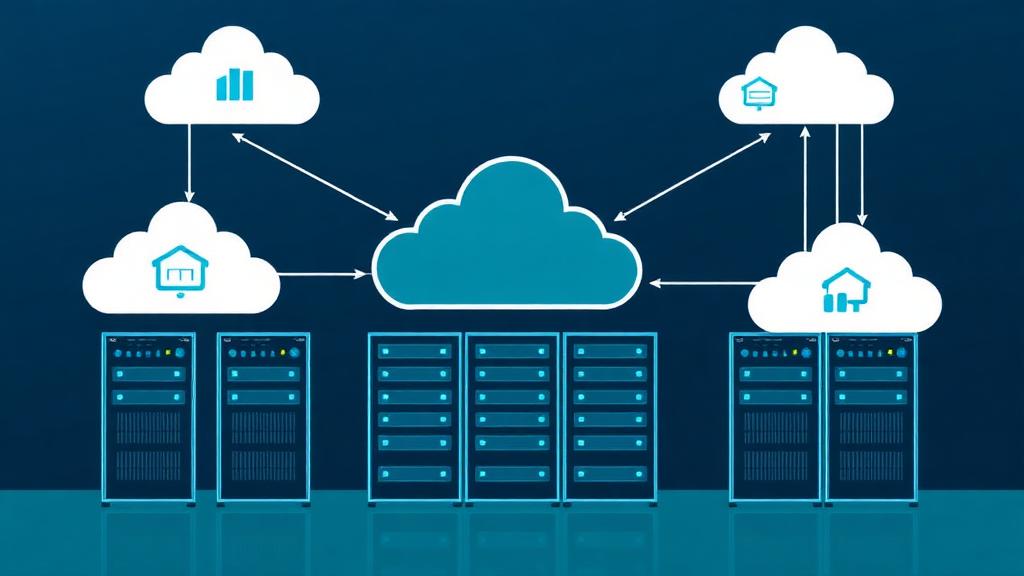
A cloud-based security camera system refers to any camera network that is connected to the internet and backed up to a secure cloud infrastructure for video storage instead of being supported by local recorders only. When compared with traditional analog CCTV, DVR, or NVR systems, cloud-based solutions have the following advantages:
- Footage is streamed over the internet for access via web or mobile apps
- It is easily scalable by just adding licenses instead of servers
- On-site hardware, wiring, and maintaining are less
- Management is centralized across different locations
- And AI is there all along for helping in searching, making alerts, and performing analytics
A few enterprise-class platforms, like Proeffico’s Vizo361°, are employing a hybrid edge-and-cloud architecture. The video is being processed at the edge for real-time insights and low latency, while the cloud storage is used for long-term retention, centralized analytics, and enterprise-wide.
Key Benefits of Security Camera Cloud Storage for Businesses
Remote Access and Centralized Video Management
By using security camera cloud storage, users with proper authorization can watch live or recorded video from any place. A single regional manager is able to monitor the safety compliance across ten different facilities using just one dashboard and without requiring any VPNs or local servers.
Reduced Risk of Data Loss
Cloud storage ensure that the very important video evidence is kept in a different place, thus in case of any theft, fire, or hardware failure it will be safe. The best providers have data duplication in several data centers. Hybrid systems make sure that footage is recorded locally if there is a disconnection.
Simplified Footage Sharing and Collaboration
Today’s platforms allow users to cut, label, and share securely incidents in a matter of seconds. AI-powered systems like Vizo361° even more facilitate investigations by offering features such as object detection, activity analysis, and anomaly detection—which cuts down the need for manual review.
Lower Reliance on Expensive On-Premise Hardware
Thanks to cloud or edge for processing and storage, organizations can adopt cheap IP cameras with forbearance towards onsite infrastructure.
Improved Monitoring and Proactive Maintenance
Alerts inform the teams before a camera fails which helps in reducing blind spots and downtime. In the case of large-scale deployments, this proactive measures greatly enhances the operational resilience.
System Deep Dive
Vizo361° AI
Vizo361° is an adaptable and AI-driven video analytics engine that can be utilized in various fields like surveillance or others. It has the capability to perform large-scale object detection, intrusion detection, PPE compliance, vehicle tracking, activity analysis, face recognition and anomaly detection.
Vizo361’s strongest point is its dependence on existing systems, edge devices for real-time analysis, and development of AI models that fit business workflows perfectly. It adds more versatility to traditional one-dimensional video analytics software by bringing together security intelligence and workflow automation.
Spot AI
Spot AI, with its quick installation and a user-friendly interface, can convert video clips into actionable intelligence. The system consists of intelligent video recorders connected to the cloud, where data is stored, and AI-powered search is performed.
Rhombus
Rhombus is providing a cloud-based video management system with extensive API support and built-in environmental sensors, thus it is proper for the enterprises that have IT teams.
Eagle Eye Networks
Eagle Eye’s cloud-direct architecture is suitable for large global deployments due to its advanced automatic licensing plate recognition and intelligent search as well as other analytics.
Verkada
Verkada sets up a whole security ecosystem by bringing together cameras, access control, and environmental monitoring in one cloud platform that is easy to manage.
How to Choose the Right Cloud Camera System
- Business size and scale: The AI automation and centralized dashboards will be the main advantage for large businesses.
- Analytics depth: The multi-domain analytics platforms like Vizo361° will provide value above security only.
Conclusion
The integration of CCTV cameras with cloud storage marks a major change in the way security and operations are managed by organizations. The modern cloud camera platforms by blending remote access, AI-powered analytics, and secure camera cloud storage have the advantages over the traditional DVR and NVR systems.
Cutting-edge technologies like that of Proeffico Solutions’ Vizo361° showcase that video intelligence can go beyond monitoring and bring safety, compliance, and efficiency improvements to the overall company. With the proper platform in place, video is not only a depiction of the past but also a forward-looking instrument for more enlightened decision-making.
FAQs based on the Cloud CCTV, AI Surveillance
1. What is a cloud-based CCTV system?
A cloud-based CCTV system stores and manages video footage on secure cloud servers instead of local DVRs or NVRs. This allows businesses to access live and recorded video remotely, scale easily, and use AI-powered analytics for smarter surveillance.
2. How does Vizo361° improve security compared to traditional CCTV?
Vizo361° uses AI-powered video analytics such as intrusion detection, face recognition, PPE compliance, and anomaly detection. Unlike traditional systems that only record footage, Vizo361° provides real-time insights that help prevent incidents and optimize operations.
3. Is cloud CCTV footage safe and secure?
Yes. Cloud CCTV platforms encrypt video data and store it across multiple secure data centers. This protects footage from theft, hardware failure, or tampering, making cloud storage far more reliable than local recorders.
4. Can cloud security cameras be used across multiple locations?
Absolutely. Cloud-based systems allow centralized monitoring of multiple sites from a single dashboard. Managers can view, analyze, and manage cameras from different locations without complex IT infrastructure.
5. Why should businesses choose AI-powered video analytics like Vizo361°?
AI-powered platforms such as Vizo361° do more than security. They provide operational insights, customer behavior analysis, safety compliance monitoring, and workflow automation—turning surveillance cameras into powerful business intelligence tools.